Inhabiting over the Inhabited
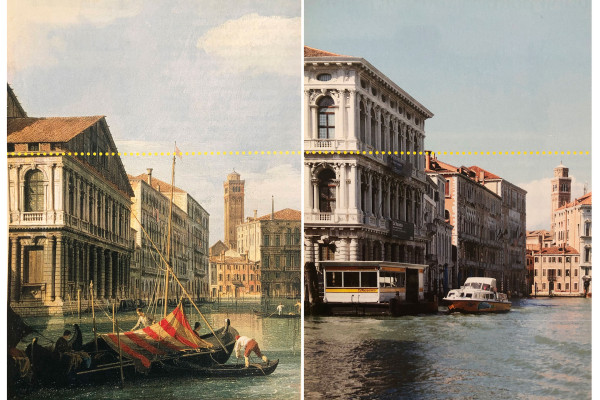
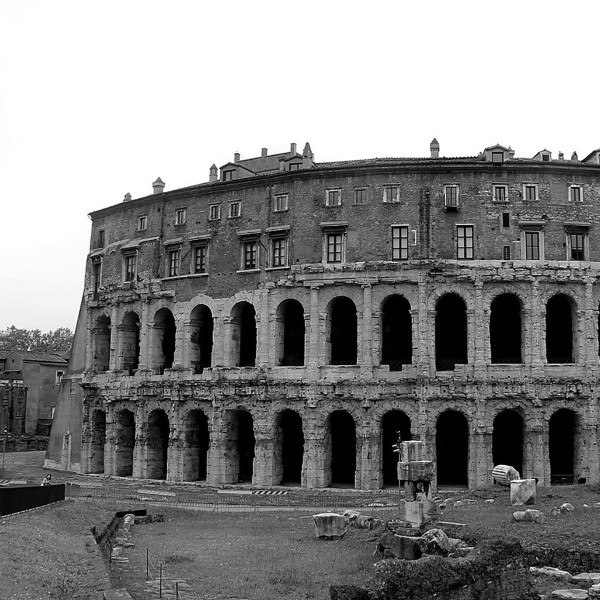
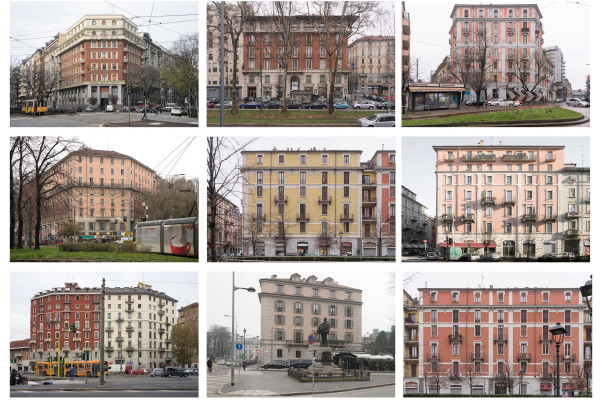
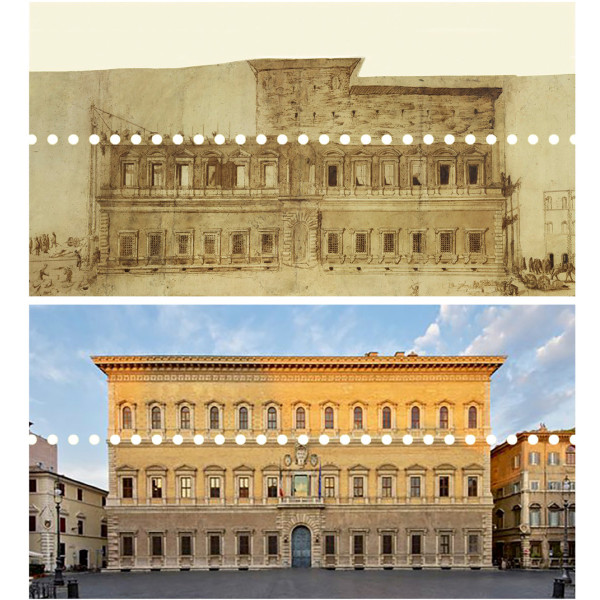
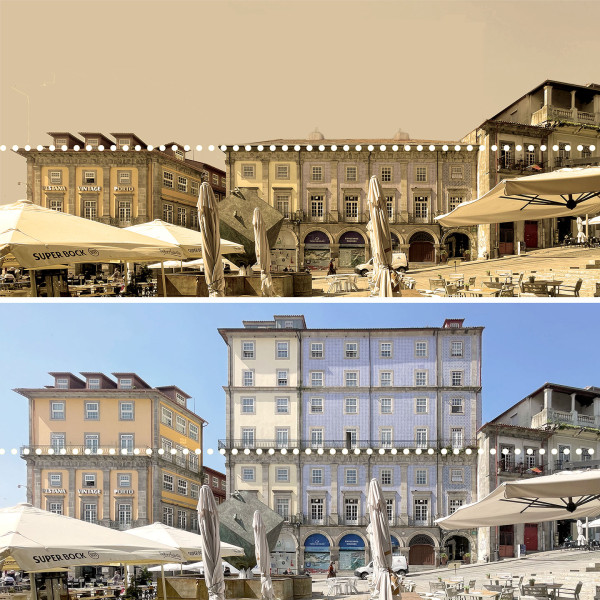
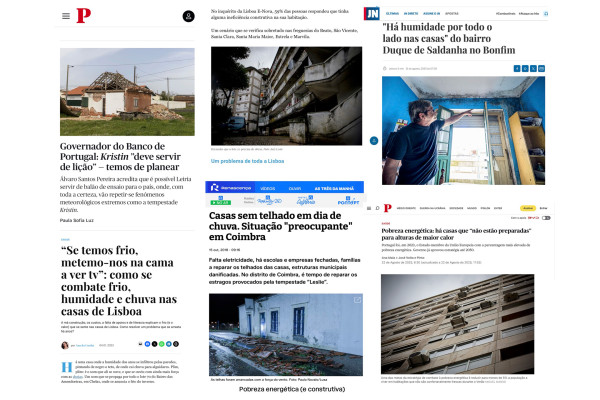
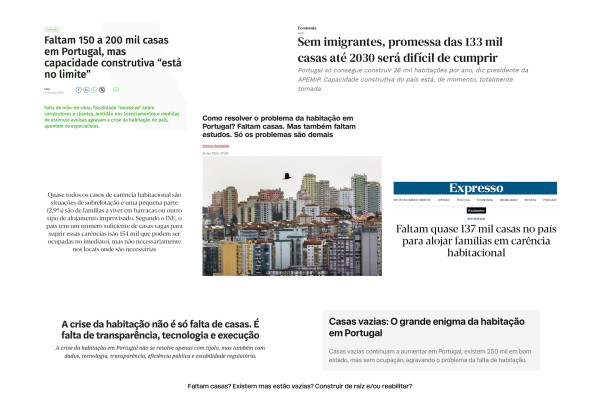
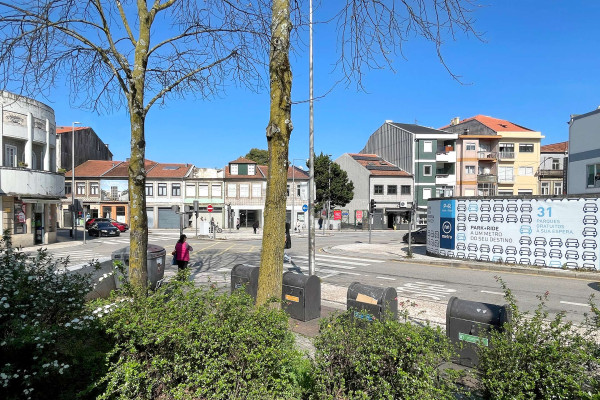
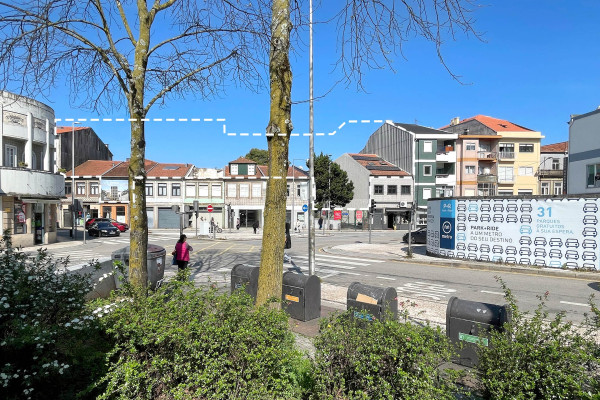
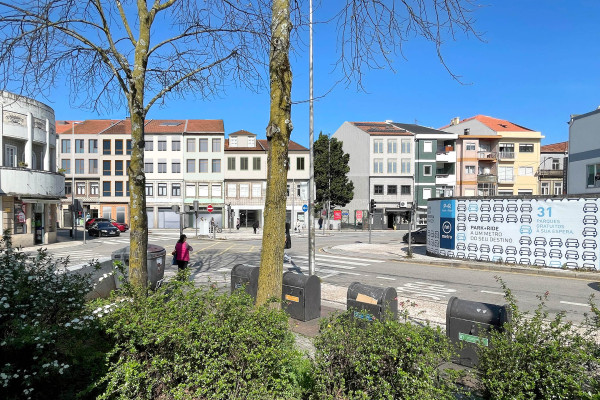
These processes, combined with a new reality in which global supply chains have rendered redundant the territories that once sustained cities in their immediate surroundings, have led to the gradual blurring of boundaries between urban and rural. From this emerges a fragmented landscape, composed of a succession of “non-places,” where the characteristics of both domains overlap and dissolve. In this context, the quality of public space is compromised—often to the point of nonexistence—and the productive potential of these territories is steadily eroded.
This new paradigm, grounded in a logic where productive autonomy is no longer a priority, is not without risk. On the contrary, it exposes us to systemic vulnerabilities whenever global supply chains are disrupted.
In light of this, it is necessary to question whether planning and political decisions should reconsider models of territorial occupation, incorporating margins of redundancy and resilience.
At the same time, in a moment of crisis in access to housing, it is essential to broaden the discussion beyond mere quantitative urgency. Cities endure far beyond political cycles and media agendas; what is built today will define the habitat of future generations. Efficiency and speed cannot override the imperative to create meaningful places—places where communities can grow and live with a genuine sense of belonging.
The question, then, is clear: are there other ways to grow within the limits of the existing city—without putting pressure on rural territories, without reinforcing suburbanization, without perpetuating the metastatic logic that characterizes so many peri-urban landscapes?
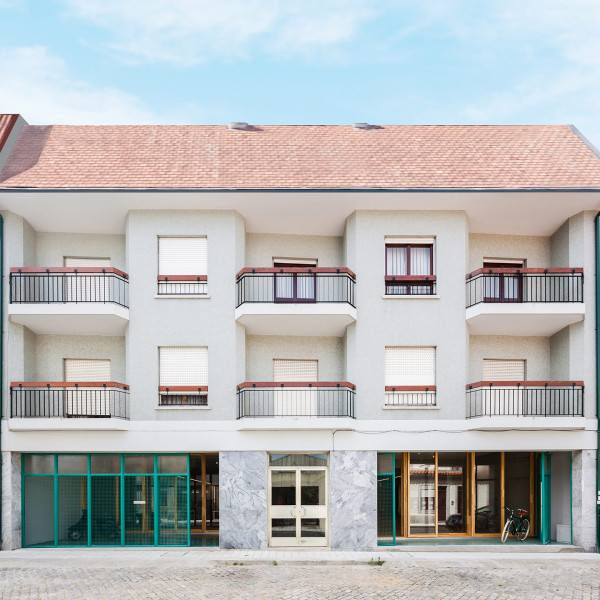
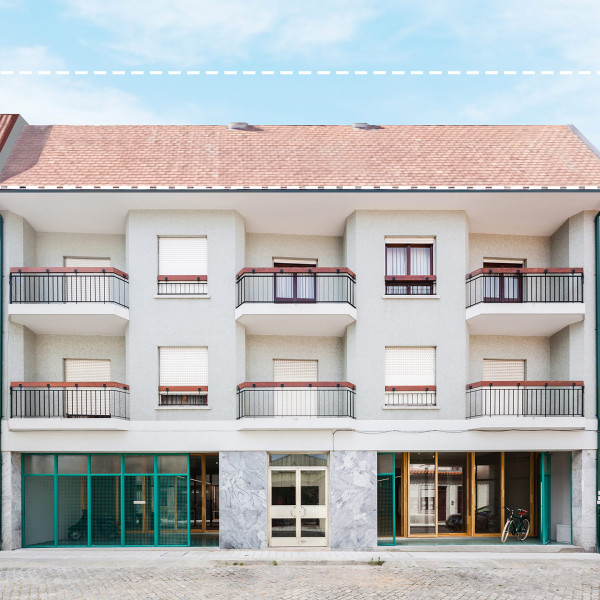
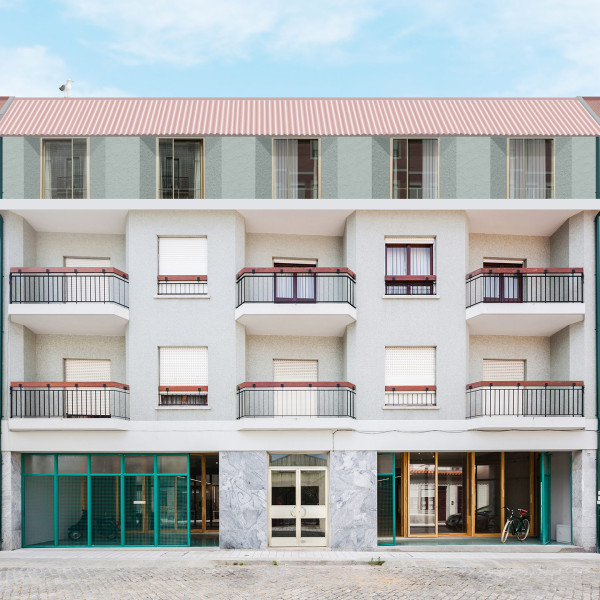
Inhabiting over the Inhabited:
The answer is not new—but it is urgent.
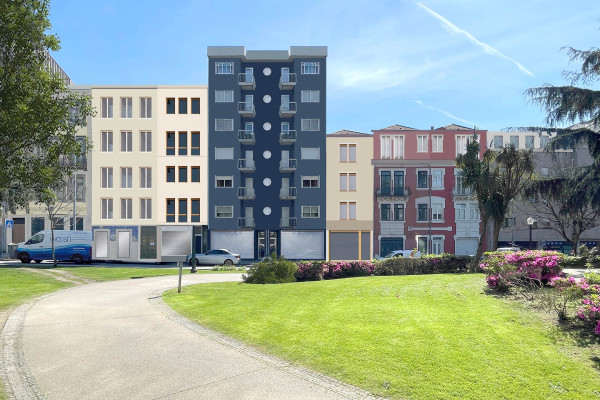
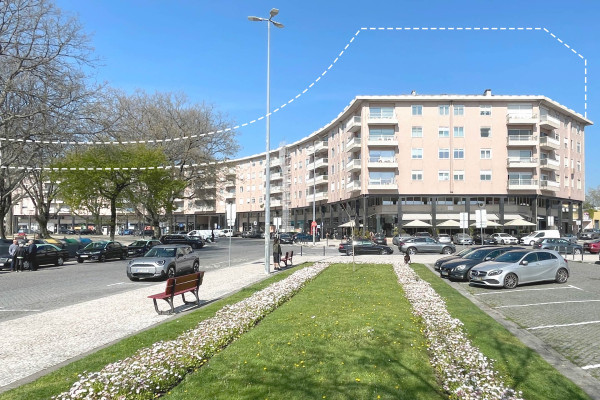
The history of architecture demonstrates this repeatedly: when land is scarce, we build upon what already exists. In Venice, as immortalized in the views of Canaletto, in Rome, in the continuous layering of built form, and across many urban contexts throughout history, the city grows best by addition, not by dispersion.
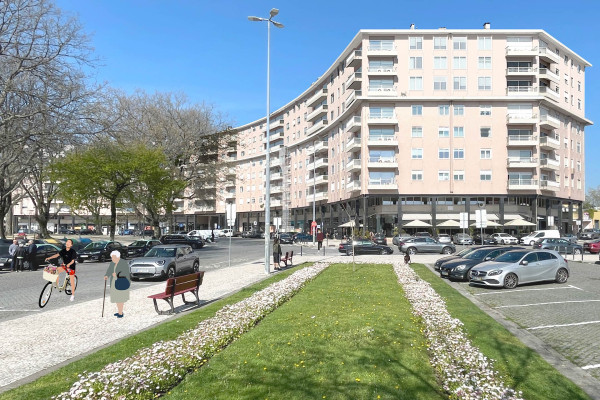
Inhabiting the inhabited is not an emergency measure. It is a principle.
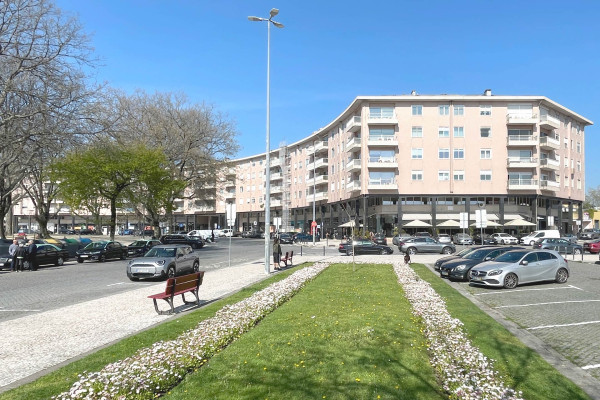
To densify the existing city is to refuse waste. It is to recognize the value of what is already built. It is to act where infrastructure, memory, and community already exist.
To densify is to:
• rehabilitate rather than abandon;
• reinforce rather than replace;
• complete rather than expand;
• intensify use rather than consume territory.
It is to contain urban sprawl. To restore meaning to public space. To create real conditions for public transport and active mobility. To protect agricultural land. To reduce dependency. To increase resilience.
But densification is not accumulation. It is not height for the sake of height. It is not blind maximization.
It is building with measure. With proximity. With human scale.
High density. Low rise. Urban continuity. Social mix. Neighborhood life.
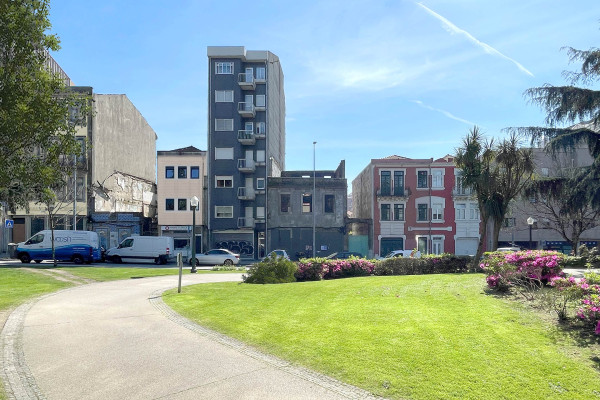
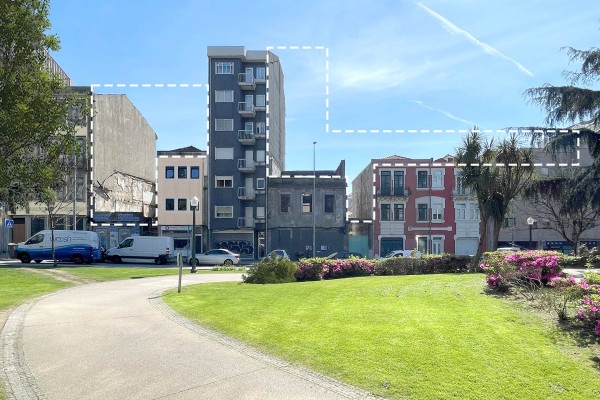
Inhabiting the inhabited is a concrete opportunity: to correct structural deficiencies, to increase housing supply, to generate distributed value—not only for large developers, but for cooperatives, condominiums, and small-scale investors.
Above all, it is a paradigm shift.
This is not about expanding the city.
It is about completing it.
- Year
- 2026 -
- Location
- porto / portugal
- Typology
- academic / research
- Status
- Ongoing